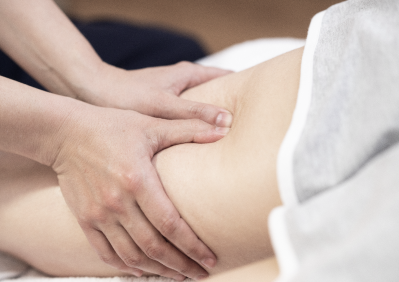
Physiotherapy
Physiotherapy is a healthcare discipline that uses physical means
such as therapeutic exercise, electricity, heat, cold, and manual therapy
to treat various conditions of the body. Its main goal
is to relieve pain, restore mobility, and improve the quality of life of
patients. It is used to treat a wide variety of conditions
such as sports injuries, musculoskeletal problems,
neurological diseases, respiratory problems, and postoperative recovery, among others.
Physiotherapists are trained professionals who are able to assess,
diagnose, and create personalized treatment plans that allow
for effective recovery, often combining manual techniques
with specific exercises.
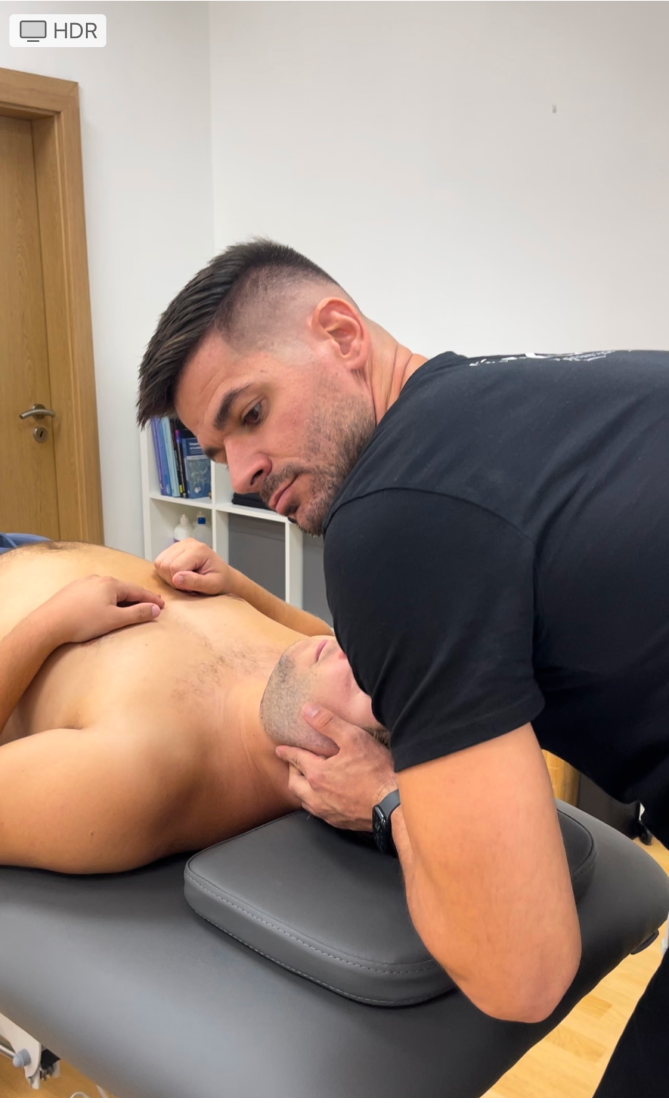
Osteopathy
Therapeutic method based on a holistic view of the human body.
It uses a set of manual techniques aimed at recovering the lost body balance.
It seeks to restore normal mobility of the musculoskeletal system through
manipulative or muscle-energy techniques among others.
These are techniques where a precise, high-speed, short-amplitude thrust
is performed near the available range of joint movement,
using either a physiological movement, an accessory movement,
or a combination of both.
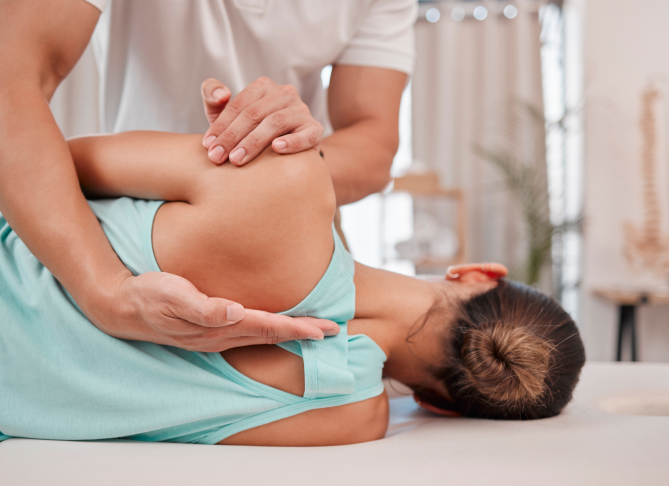
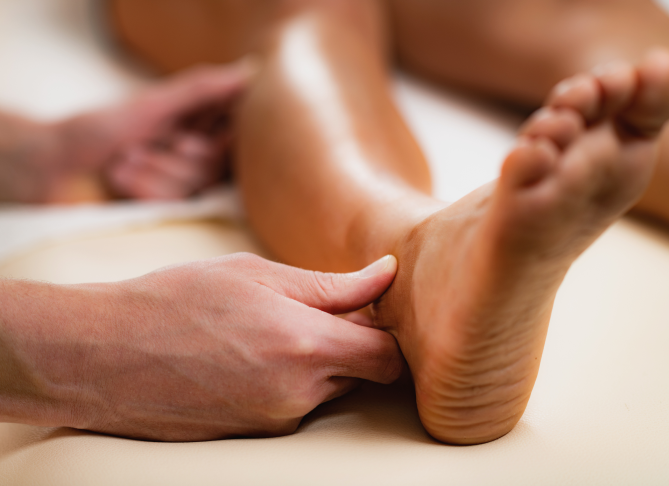
Manual Therapy
Manual Therapy comprises specific techniques to relieve pain or
other symptoms in neuro-musculoskeletal dysfunctions,
both in the central axis of our body and in the extremities, and is
performed through our hands and/or
instrumentally.
These techniques aim to restore normal movement in
our body when joints show restrictions, relieve joint pain, improve
blood supply, and reduce abnormal stresses exerted on joints,
soft tissues, and other body structures.
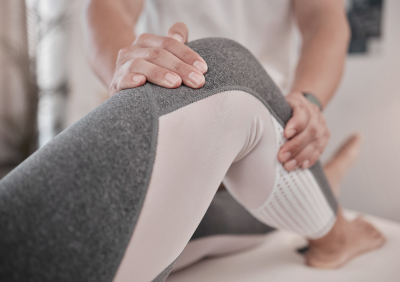
Traumatology
Focused on the treatment of musculoskeletal injuries, bones, and ligaments,
providing very positive and well-established results in rehabilitation.
Special attention is given to orthopedic and post-surgical injuries, which
require rapid physiotherapy intervention to mitigate possible
complications and to promote the patient’s return to full normality.
The goals are:
Pain reduction
Functional recovery
Decreased healing time
Increased strength
Prevention of future relapses
Providing autonomy to the patient
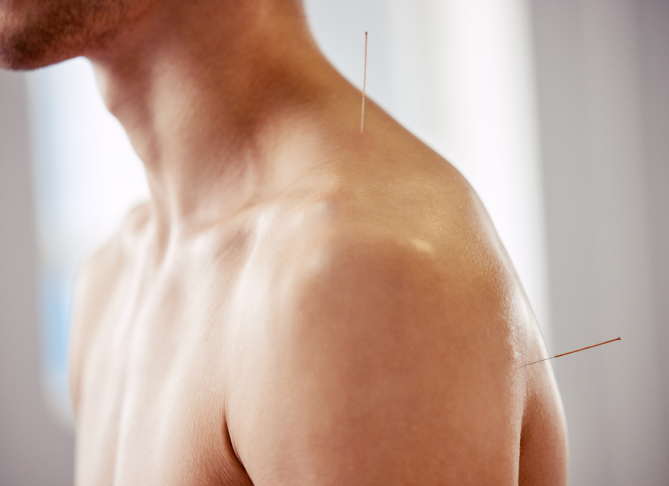
Dry Needling
Dry needling is an invasive technique used in physiotherapy to inhibit painful
muscle points (trigger points) that can appear due to overload,
sudden movements, excessive tension, etc.
It is a practically painless technique where a fine needle is inserted into the
area to be inhibited. As its name suggests, no anesthetic or
substance is introduced in this technique.
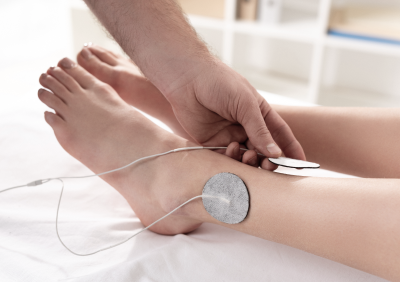
Neuromodulation
Neuromodulation is a technique that allows physiotherapists to
act directly on the peripheral and central nervous system.
It can be an invasive or non-invasive technique, virtually painless,
safe, and effective.
The technique can be performed in two ways: percutaneously, where
no needle needs to be inserted through the skin, or intratissularly with a
dry needling, using a device that produces a low-frequency
and low-intensity current to seek very strong analgesic effects.
This current is applied to stimulate the nervous system.
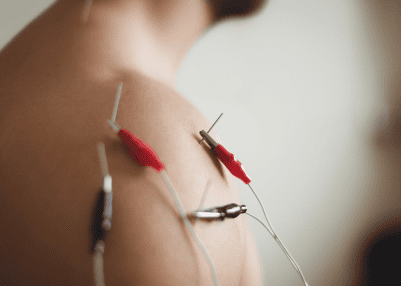
Electroacupuncture
It is a variant technique of traditional dry needling, as it involves the
application of a low-intensity electric current to the needles once
inserted into the specific points to be treated.
The goal is to provide a dual treatment pathway, thus giving the area a
mechanical stimulus through the needle and an electrical stimulus
through the electric current, therefore creating a dual
effect in the treated area.
Sports Physiotherapy
This is a branch of physiotherapy aimed at all individuals who
regularly practice sports, whether at a basic, amateur, health, elite
or high-performance level.
It has two major aspects: one focuses on preventive injury work,
and the other on the recovery of injuries once they have occurred.
The preventive work aims to improve the muscular condition of the athlete, avoiding
overloads and correcting improper movements that may lead to injuries.
When a patient arrives with an injury, the work consists of a thorough assessment
of the problem that caused the injury and a
treatment oriented toward a rapid return to normalcy through
physical agents such as manual therapy, kinesiotherapy, electrotherapy,
thermotherapy, functional taping, neuromuscular taping, dry needling, etc.
Dance Physiotherapy
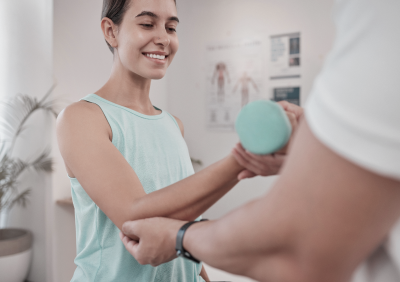
Dance physiotherapy, whether for professionals or amateurs, consists
of prior knowledge of the dancer’s body biomechanics and their
dance style, as it requires the effort of an athlete with the
preparation and technique of an artist.
If you are involved in the world of dance, whether professionally or
as an amateur, you know the significant amount of rehearsal time and repetitive
movements required to achieve choreographic goals. This often leaves your body
vulnerable to injuries.
Therefore, it is vital to understand how to prevent potential injuries,
help your body recover if you experience one, and
strengthen it to improve its condition, thus enhancing your ability to perform your dance.
Physiotherapy's role is to allow your body to dance in balance
with strength, endurance, and flexibility in a healthy way.
Fisiopilates
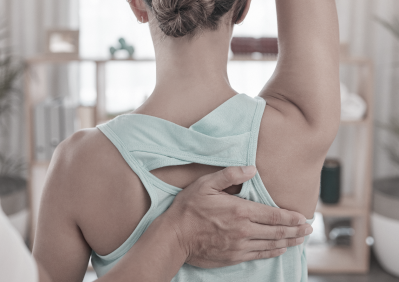
Fisiopilates is a therapeutic tool used in
physiotherapy to restore functionality and proprioception to the
patient, thus improving their motor skills. It is based on the
exercises of the classical Pilates method, but under the
supervision of a healthcare professional like a physiotherapist.
It aims to respect and follow the biomechanics, physiology, and morphology of
each individual to achieve good health results for the patient, always considering
each subject's individuality and their physical base condition.
Therapeutic Exercise
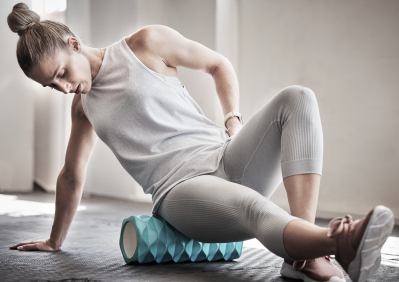
When we talk about therapeutic exercise, we do so with the goal of improving
an abnormal condition in the patient, whether it is functional or not,
always in a planned and systematic way. It aims to improve
body movements, patterns, postures, and physical activities,
seeking to prevent or correct alterations and health-related risk factors.
It is one of the foundations that every physiotherapy treatment should include at
the end of each session, as the ultimate goal is to seek functional independence
for the patient while improving their basic physical capacities through
therapeutic exercise.
Lymphatic Drainage
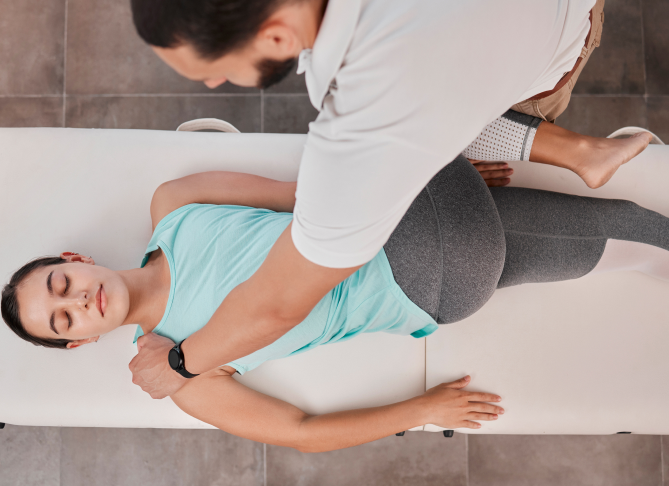
Lymphatic drainage is a massage technique aimed at the
lymphatic vessels of our body to eliminate the
interstitial and lymphatic fluid that accumulates in them.
This massage has a strong anti-edema and analgesic effect as
it acts on smooth muscle fibers, so lymphatic drainage is
correctly indicated to reduce cellulite-induced orange peel skin and
to treat post-surgical edema or scars.
It is also important to note that lymphatic drainage can
increase the immune system’s response, activating the body's
defense response in the areas treated with this massage.
Lymphatic drainage is performed gently and repetitively at a
slower pace than traditional massage and without the
use of products, to stimulate lymph activation and
the removal of stagnant fluids.
It is highly recommended to have sessions on alternate days, starting
with 2 to 3 sessions per week, and later transitioning to a
maintenance plan (2 to 4 sessions per month). However, these indications may vary depending
on the disease and its severity.